
£18.04
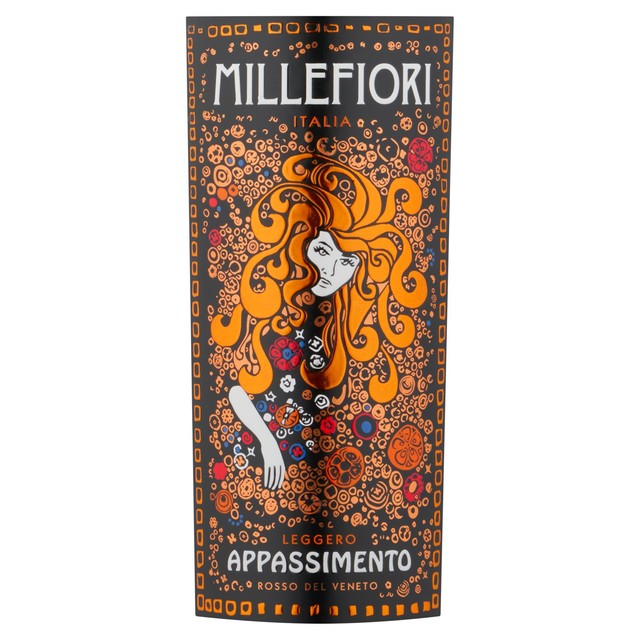
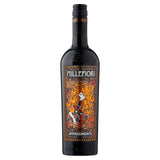
Enjoy this wine with hard cheeses or game meat for a perfect pairing. Paolo Leo Millefiori is an Italian red wine made from Corvina and Merlot grapes using the traditional appassimento method. It originates from the Veneto region in Northern Italy.
- Made with Corvina and Merlot grapes for a rich flavor profile.
- Features a bouquet of cherries, raspberries, prunes, and redcurrants.
- Has a warm, full, soft, and round palate with spiciness and long finish.
- Produced by Paolo Leo winery with five generations of tradition.
- £18.04
- £18.04
- Unit price
- per
Shopped From |
M&S
Duties & Customs (You Pay)
Import fees may apply on arrival, and you must pay any customs charges. Prices exclude duties. Learn More: Shipping Policy | Terms and Conditions


Description
xMillefiori is produced from a blend of Corvina and Merlot grapes carefully selected from low-yielding vineyards located in the Veneto region of Northern Italy. Millefiori has a lovely ruby-red color and a bouquet reminiscent of cherries, raspberries, prunes and redcurrants. The palate is warm, full, soft and round with awesome spiciness and an incredibly long and lingering finish. It is a perfect match with hard cheeses, game meat or simply on its own while sitting in front of a warm fire.
Please drink responsibly: The UK Chief Medical Officers recommend adults do not regularly drink more than 14 units per week.
Features: 3E - Sustainable Winery Equalitas.
Package type: Glass Bottle.
Allergen Information: Contains Sulphur Dioxide/Sulphites.
Brand: Paolo Leo.
Manufacturer: Cantine Paolo Leo SRL, San Donaci (BR), Italy.
History: The Paolo Leo family has been making wine in the Salento region for 5 generations. They produce a range of wines that celebrate their region, specialising in native grape varieties and using winemaking techniques that seamlessly combine tradition and innovation.
Grape variety: Corvina, Merlot.
Current vintage: 2021.
Regional information: The picturesque landscape of the Veneto is renowned for its rich, complex red wines. The region is famous for the Amarone and Valpolicella blends and uses a variety of techniques, such as 'appassimento', to give the wines their richness and depth.
Alcohol by volume: 13.5.
Producer: Cantine Paolo Leo.
Vinification details: The grapes are picked and then divided into two. Approximately 60% of the harvest is dried using the 'appassimento' method, where the grapes are stored in well-aerated lofts to reduce the water content and concentrate their aromas and flavour. The rest of the grapes are vinified immediately. In late December, the dried grapes are fermented, which can take up to a month to complete. The wines are then aged in barrel before being blended together prior to bottling.
